
If you are looking for a clear and simple dengue fever paragraph, it is important to first understand what dengue fever is and why it is a serious health concern. Dengue fever is a viral disease that spreads through the bite of infected mosquitoes, especially in tropical and subtropical regions. It becomes more common during the rainy season when mosquitoes breed in stagnant water. The disease can cause high fever, body pain, headache, and weakness. With proper awareness and simple preventive steps, you can protect yourself and your family from dengue fever.
সূচিপত্রঃ
Dengue Fever Paragraph for Class 5
Dengue fever is a disease caused by mosquito bites. It spreads when a mosquito carrying the virus bites a person. People with dengue feel very weak and get high fever. They may also have headache and body pain. Dengue spreads more in rainy season because water collects in open places. To stay safe, you should keep your surroundings clean and not allow water to collect. You can use mosquito nets and repellents to protect yourself. Drinking clean water and taking rest helps in recovery. Prevention is very important to avoid dengue fever.
Dengue Fever Paragraph for Class 6
Dengue fever is a viral disease that spreads through the bite of infected Aedes mosquitoes. It is common in warm and humid areas, especially during the rainy season. The main symptoms of dengue include high fever, headache, pain behind the eyes, joint pain, and weakness. Sometimes, red spots or rashes appear on the skin.
Dengue does not spread directly from one person to another. It spreads only through mosquito bites. Therefore, preventing mosquito breeding is very important. You should keep your house and surroundings clean and avoid stagnant water. Using mosquito repellents, nets, and wearing protective clothes can help you stay safe. Early care, proper rest, and drinking plenty of fluids can help a person recover quickly.
Dengue Fever Paragraph for Class 7
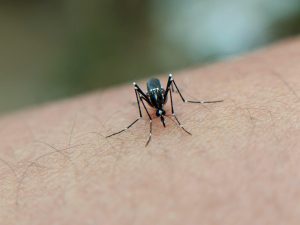
Dengue fever is a serious disease caused by a virus and transmitted through the bite of infected mosquitoes. It is commonly found in tropical countries. When a mosquito carrying the dengue virus bites a healthy person, the virus enters the body and causes illness. Common symptoms include high fever, severe headache, muscle pain, joint pain, and weakness.
In some cases, dengue can become severe if not treated on time. There is no specific medicine to cure dengue, but proper medical care, rest, and fluid intake can help in recovery. Preventing dengue is the best way to stay safe. You should avoid water collection around your home and spread awareness among others. Clean surroundings and proper hygiene can reduce the risk of dengue infection.
Dengue Fever Paragraph for Class 8
Dengue fever is a mosquito-borne viral disease that affects millions of people every year. It is caused by the dengue virus and spreads through the bite of Aedes mosquitoes, which breed in clean stagnant water. The symptoms of dengue include high fever, severe headache, joint and muscle pain, nausea, vomiting, and skin rash.
In severe cases, dengue can lead to serious complications such as low platelet count, bleeding, and even dengue hemorrhagic fever. This can become life-threatening if not treated properly. Dengue cannot be spread directly from one person to another, which makes mosquito control very important. Preventive measures include using mosquito repellents, wearing full clothes, and keeping surroundings clean. Community awareness and proper sanitation play a key role in controlling dengue.
Dengue Fever Paragraph for Class 9
Dengue fever is a viral infection transmitted by infected Aedes mosquitoes and is considered a major public health concern in many countries. The disease spreads rapidly in areas with poor sanitation and stagnant water. Symptoms usually begin with sudden high fever, severe headache, pain behind the eyes, muscle and joint pain, and skin rash.
If not managed properly, dengue can progress to severe forms such as dengue hemorrhagic fever, which can cause bleeding, low platelet count, and shock. There is no specific antiviral treatment available, so supportive care like fluid intake, rest, and medical supervision is essential. Preventive measures such as eliminating stagnant water, using mosquito protection, and spreading awareness are the most effective ways to control the spread of dengue fever.
Dengue Fever Paragraph for SSC
Dengue fever is a life-threatening viral disease caused by the dengue virus and transmitted by Aedes mosquitoes. It is commonly found in urban and semi-urban areas, especially during the monsoon season. The disease is caused by four different types of dengue viruses, making repeated infections possible.
The symptoms of dengue include high fever, severe headache, joint and muscle pain, vomiting, and skin rash. In severe cases, it can lead to internal bleeding, organ damage, and dengue shock syndrome. Although there is no specific cure for dengue, early diagnosis and proper medical care can reduce the risk of complications. Preventing mosquito breeding, maintaining cleanliness, and spreading awareness are the most effective strategies to control dengue.

Dengue Fever Paragraph for HSC
Dengue fever is a significant global health issue caused by the dengue virus and transmitted through the bite of infected Aedes mosquitoes. It is widely prevalent in tropical and subtropical regions where environmental conditions support mosquito breeding. Rapid urbanization, poor sanitation, and climate change have contributed to the increasing number of dengue cases worldwide.
Clinically, dengue presents with high fever, severe headache, retro-orbital pain, joint and muscle pain, and skin rash. In advanced stages, it may develop into dengue hemorrhagic fever or dengue shock syndrome, both of which can be fatal if not treated promptly. Diagnosis is confirmed through laboratory tests, and treatment mainly focuses on supportive care, including fluid management and monitoring platelet levels. Effective prevention requires vector control, public awareness, and community participation.
Conclusion
In this dengue fever paragraph, you learned that dengue is a dangerous but preventable disease that affects many people every year. You can protect yourself by keeping your surroundings clean and avoiding stagnant water where mosquitoes breed. Simple habits like using mosquito nets, applying repellents, and wearing full-sleeved clothes can make a big difference. It is also important to recognize early symptoms such as high fever and body pain so that you can seek medical help quickly. By following these steps, this dengue fever paragraph reminds you that awareness and prevention are the best ways to stay safe and protect your community.
Frequently Asked Questions (FAQs)
Q1. What is dengue fever in simple words?
Dengue fever is a viral disease spread by mosquito bites that causes high fever, body pain, and weakness.
Q2. How does dengue spread?
Dengue spreads when an infected mosquito bites a person. It does not spread directly from one person to another.
Q3. What are the early symptoms of dengue?
Early symptoms include high fever, headache, joint pain, and sometimes skin rash.
Q4. How can you prevent dengue fever?
You can prevent dengue by keeping your surroundings clean, avoiding stagnant water, and protecting yourself from mosquito bites.
Q5. How long does dengue fever last?
Dengue fever usually lasts for 1 to 2 weeks, but recovery time may vary depending on the person.