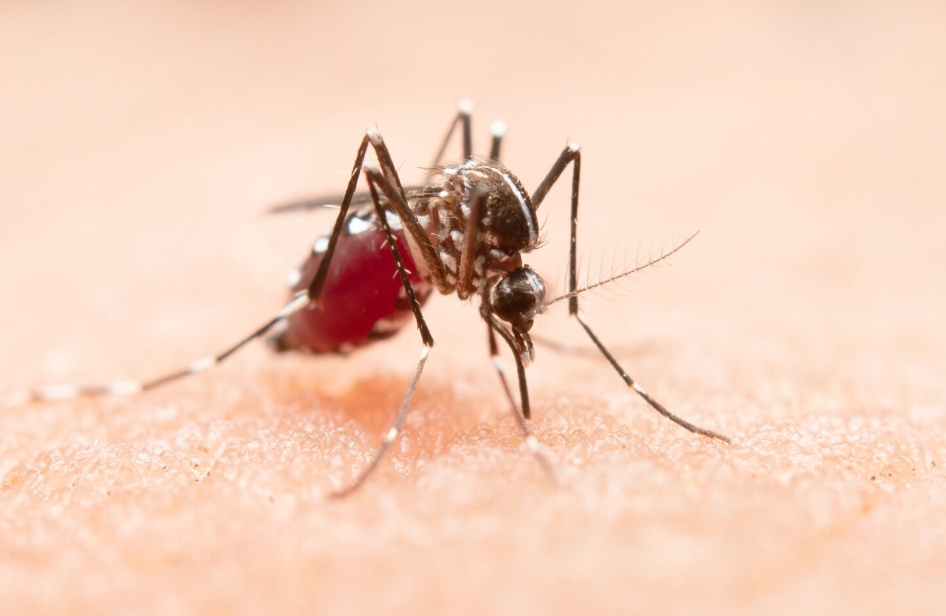
Dengue is a viral disease caused by the bite of a mosquito called Aedes aegypti. It spreads mostly in warm and humid areas where mosquitoes breed in stagnant water. People with dengue usually have a sudden high fever, severe headache, pain in muscles and joints, nausea, and sometimes a red skin rash. Severe dengue can be dangerous and may cause bleeding or organ problems. Preventing mosquito bites and keeping your surroundings clean are the best ways to stay safe. Students should learn about dengue to protect themselves, their families, and their community. Awareness, hygiene, and simple preventive measures can reduce the risk of dengue significantly.
সূচিপত্রঃ
Dengue Paragraph for Class 6

Dengue is a disease caused by a mosquito bite. The mosquito that spreads dengue usually lives in places with standing water, like old bottles, pots, and puddles. When someone gets dengue, they may have a high fever, headache, pain in the eyes, muscles, and joints, and sometimes a skin rash. It is important to drink plenty of water, eat healthy food, and get proper rest. Using mosquito nets, wearing full sleeves, and keeping surroundings clean helps prevent dengue. Children should also tell their parents if they feel very weak or have a high fever so they can get medical help early. By keeping homes and schools free of stagnant water and using mosquito repellents, students can help prevent dengue in their neighborhood.
Dengue Paragraph for Class 7
Dengue is a viral disease spread by the Aedes mosquito. It is more common in warm and rainy seasons. People with dengue often have a sudden high fever, severe headache, pain in the eyes, muscles, and joints, nausea, and sometimes vomiting. A red skin rash may also appear on the body. Severe dengue can cause bleeding and low platelet counts, which can be dangerous. There is no specific medicine for dengue, but rest, drinking lots of water, and proper medical care help the body fight the disease. Students should avoid mosquito bites by using mosquito nets, wearing full-sleeved clothes, applying repellents, and removing stagnant water near their homes. Learning about dengue and taking precautions can help you, your family, and your friends stay safe.
Dengue Paragraph for Class 8
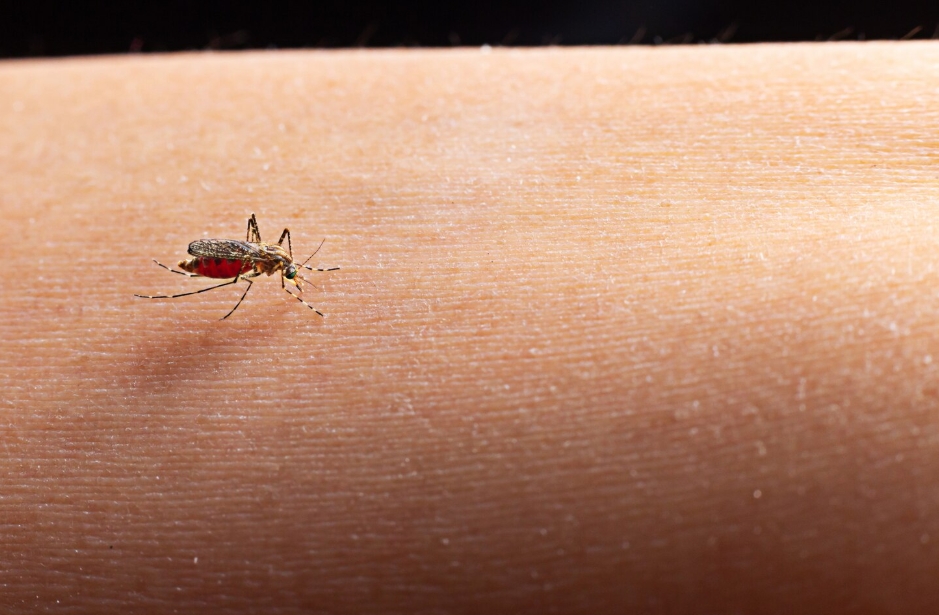
Dengue is a viral disease caused by the dengue virus and transmitted by mosquito bites, especially from the Aedes aegypti mosquito. It is common in tropical and subtropical areas and spreads faster during the rainy season. People with dengue usually develop a sudden high fever, severe headache, joint and muscle pain, pain behind the eyes, nausea, and skin rashes. Severe cases can cause bleeding, low platelet count, and even organ damage. Early diagnosis is very important for proper treatment. Although there is no specific medicine for dengue, drinking fluids, resting, and consulting a doctor helps in recovery. Preventing dengue is better than curing it. Using mosquito nets, wearing protective clothing, applying mosquito repellents, and keeping surroundings clean are effective ways to avoid infection. Students can also help by educating their friends and families about dengue prevention.
Dengue Paragraph for Class 9
Dengue fever is a viral disease transmitted by Aedes aegypti mosquitoes. It is common in tropical and subtropical regions, especially during warm and rainy seasons. The disease starts with sudden high fever, severe headache, pain behind the eyes, joint and muscle pain, nausea, vomiting, and a red skin rash. Severe dengue can lead to dangerous complications, including bleeding, low platelet count, and organ damage. There is no specific cure for dengue, but proper hydration, rest, and medical care are essential for recovery. Preventive measures are very important to avoid infection. Students should keep their surroundings clean, remove stagnant water from containers and drains, use mosquito nets, and apply mosquito repellents. Public awareness campaigns and education can play a major role in controlling dengue outbreaks. By understanding the causes, symptoms, and preventive measures of dengue, you can protect yourself, your family, and your community from this dangerous disease.
Dengue Paragraph for Class 10
Dengue is a viral infection transmitted through the bite of the Aedes aegypti mosquito. It mostly occurs in tropical and subtropical areas and spreads rapidly during rainy seasons. Dengue symptoms include sudden high fever, severe headache, pain behind the eyes, muscle and joint pain, nausea, vomiting, and red skin rashes. Severe dengue may lead to bleeding, low platelet count, and even organ damage if not treated on time. There is no specific antiviral medicine for dengue, so early medical care, adequate rest, and proper hydration are crucial. Preventing mosquito bites is the most effective way to avoid dengue. Using mosquito nets, wearing protective clothing, keeping homes and school surroundings clean, and eliminating stagnant water are essential. Students can also raise awareness among their friends and family about the dangers of dengue and the importance of cleanliness. By taking these simple steps, you can protect yourself and others from this serious disease.
Dengue Paragraph for HSC
Dengue is a viral disease caused by the dengue virus, which is transmitted through the bite of the Aedes aegypti mosquito. It is commonly found in tropical and subtropical regions, especially during warm and rainy seasons. The disease begins with a sudden high fever, severe headache, pain behind the eyes, muscle and joint pain, nausea, vomiting, and a red skin rash. Severe dengue can lead to dangerous complications such as bleeding, low platelet count, and organ damage. Early diagnosis and medical supervision are very important for effective recovery. While there is no specific antiviral medicine for dengue, patients can recover with proper rest, hydration, and timely medical care. Prevention is the most effective method to control dengue. People should remove stagnant water from containers, use mosquito nets, apply repellents, and educate communities about hygiene. Schools and students also play an important role in spreading awareness. By practicing cleanliness and following preventive measures, you can protect yourself, your family, and the community from this life-threatening disease.
Dengue Paragraph for SSC
Dengue is a viral infection caused by the dengue virus and spread through mosquito bites, mainly by the Aedes aegypti mosquito. It is most common in warm and humid areas where mosquitoes breed in stagnant water, such as flower pots, old tires, and water containers. Symptoms of dengue include high fever, severe headache, pain behind the eyes, muscle and joint pain, nausea, vomiting, and skin rashes. Severe dengue can be dangerous and may cause bleeding, low platelet count, and other complications. Although there is no specific medicine for dengue, patients should rest, drink plenty of fluids, and consult a doctor immediately. Preventing mosquito bites is the best way to avoid dengue. Using mosquito nets, applying repellents, wearing full-sleeved clothing, and keeping surroundings clean can reduce mosquito breeding. Students should also help by spreading awareness in their schools and neighborhoods. By following these measures, it is possible to reduce dengue cases and protect families and communities from this serious disease.
Dengue Paragraph in 150 Words
Dengue is a viral disease caused by a mosquito called Aedes aegypti. It is most common in tropical and subtropical areas, especially during the rainy season. Dengue spreads when an infected mosquito bites a person. Symptoms include sudden high fever, severe headache, pain behind the eyes, joint and muscle pain, nausea, vomiting, and red skin rashes. Severe cases may lead to bleeding, low platelet count, and organ problems. There is no specific medicine to cure dengue, but early medical care, rest, and proper hydration help recovery. Preventing mosquito bites is the best way to stay safe. People should remove stagnant water from homes, use mosquito nets, apply repellents, and wear full-sleeved clothing. Students can also help by educating their families and friends about dengue prevention. By taking these simple steps, you can protect yourself, your loved ones, and your community from dengue.
Dengue Paragraph in 200 Words
Dengue is a serious viral disease transmitted by the bite of the Aedes aegypti mosquito. It is common in tropical and subtropical countries and spreads quickly during the rainy season when mosquitoes breed in stagnant water. Dengue symptoms usually appear 4 to 10 days after a mosquito bite. People with dengue often have sudden high fever, severe headache, pain behind the eyes, joint and muscle pain, nausea, vomiting, and red skin rashes. Severe dengue can cause bleeding, low platelet counts, and even organ damage, which may be life-threatening. There is no specific antiviral treatment for dengue, but proper rest, hydration, and timely medical care help in recovery. Preventive measures are crucial to control the disease. People should remove standing water from homes, use mosquito nets, apply repellents, and wear protective clothing. Students should also spread awareness about dengue and its dangers. By following simple hygiene practices and taking precautions, it is possible to protect yourself, your family, and your community from this dangerous disease. Awareness, cleanliness, and prevention are the keys to staying safe from dengue.
Dengue Paragraph in 300 Words
Dengue is a viral disease caused by the dengue virus and transmitted through the bite of the Aedes aegypti mosquito. It is one of the most common mosquito-borne diseases in tropical and subtropical regions and spreads rapidly during the rainy season. The mosquito that spreads dengue breeds in stagnant water, including old bottles, tires, flower pots, and uncovered water containers. Dengue affects people of all ages, but children and elderly individuals are more vulnerable to severe infection. The symptoms usually start suddenly and include high fever, severe headache, pain behind the eyes, joint and muscle pain, nausea, vomiting, and red skin rashes. In severe cases, dengue can cause bleeding, low platelet count, and damage to organs, making it potentially life-threatening. There is no specific antiviral medicine to cure dengue, so patients are advised to take proper rest, drink plenty of fluids, and seek timely medical attention. Painkillers like aspirin or ibuprofen should be avoided, as they can increase the risk of bleeding. Prevention is the most effective way to combat dengue. People should remove stagnant water from homes and surroundings, use mosquito nets, wear protective clothing, and apply mosquito repellents. Students can contribute by spreading awareness about dengue, educating friends and family, and participating in community cleaning activities. By understanding dengue symptoms, following preventive measures, and promoting hygiene, it is possible to protect yourself, your family, and your community from this dangerous disease. Awareness and timely action are the keys to a dengue-free life.
Conclusion
Dengue is a serious viral disease spread by Aedes aegypti mosquitoes, especially during warm and rainy seasons. Symptoms like high fever, headache, joint and muscle pain, nausea, and rashes can make people very sick, and severe dengue may lead to dangerous complications. Since there is no specific cure, prevention is the best approach. Keeping surroundings clean, removing stagnant water, using mosquito nets, and applying repellents are important. Students can learn a lot from this dengue paragraph and share its lessons with family and friends. By following these simple preventive measures, everyone can stay safe and reduce the risk of dengue.
Frequently Asked Questions (FAQs)
Q1. What is dengue?
Dengue is a viral disease caused by the bite of an Aedes aegypti mosquito. It spreads mainly in warm and humid areas where mosquitoes breed in stagnant water.
Q2. What are the symptoms of dengue?
Symptoms include high fever, severe headache, pain behind the eyes, muscle and joint pain, nausea, vomiting, and red skin rashes. Severe dengue can cause bleeding and low platelet counts.
Q3. How is dengue treated?
There is no specific medicine to cure dengue. Treatment focuses on rest, drinking plenty of fluids, and consulting a doctor. Avoid medicines like aspirin as they may worsen bleeding.
Q4. How can dengue be prevented?
Prevention includes removing stagnant water, using mosquito nets, wearing full-sleeved clothes, applying mosquito repellents, and keeping your surroundings clean.
Q5. Why is awareness about dengue important for students?
Students can help prevent dengue by learning about its causes, symptoms, and preventive measures. They can educate friends and family to reduce the spread of the disease in their community.