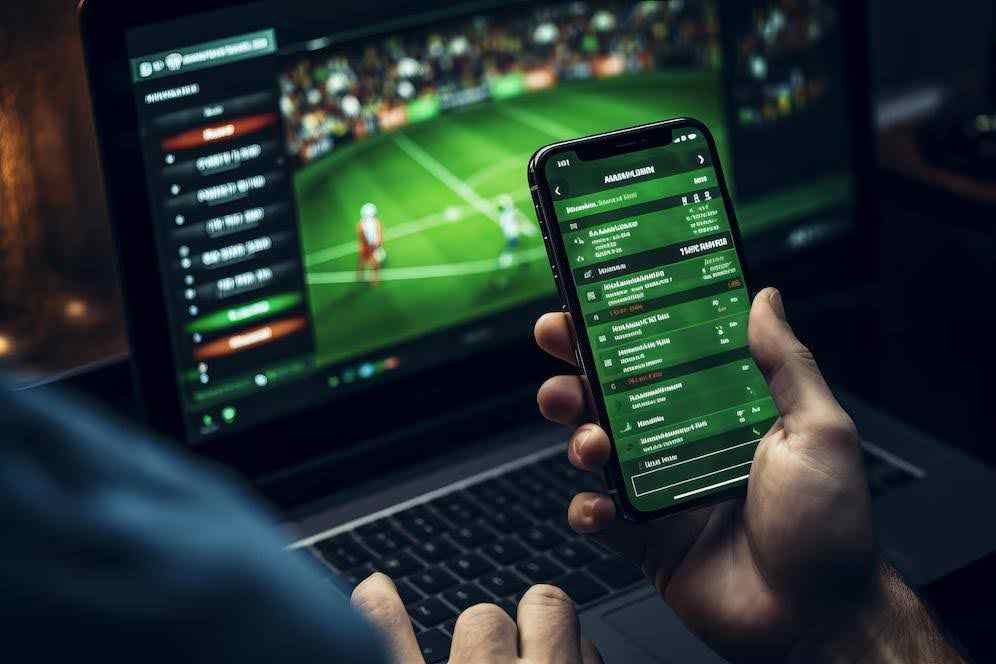
Sports, news, entertainment, and technology now move through the same channels. A match highlight appears next to a political headline. A celebrity clip sits beside breaking news. Everything arrives through screens, compressed into short moments, designed to be consumed quickly. This convergence feels natural, even convenient. From a radical-left perspective, it deserves closer attention. What looks like connection is often a system of control over attention, time, and meaning.
সূচিপত্রঃ
When Sports Become Content
Sport was once an event. You had to be there, or at least plan around it. Now it is content. Clips, statistics, live updates, endless commentary. Technology has expanded access, but it has also changed how sport is understood.
Moments are isolated from context. Performance is reduced to numbers. Emotion becomes something to replay, analyze, and monetize. The collective experience fades, replaced by individual consumption. This shift is not accidental. It aligns perfectly with platforms that profit from constant engagement rather than shared presence.
News in the Rhythm of Entertainment
News follows the same logic. Urgency replaces depth. Speed replaces reflection. Complex issues are broken into fragments that fit between advertisements and trending videos. Technology does not just deliver information; it shapes how information feels.
From a left-wing viewpoint, this matters because it weakens collective understanding. When everything is urgent, nothing is structural. Power becomes harder to see when attention is constantly redirected. The system benefits from confusion more than clarity.
Technology as the Invisible Editor
Algorithms now decide what rises and what disappears. They are not neutral tools. They reflect priorities: engagement, retention, profitability. Stories that provoke reaction are favored. Calm analysis is buried.
This applies equally to sports debates, political news, and entertainment trends. The same logic filters everything. What looks popular is often what has been amplified. What looks marginal is often what has been ignored.
Entertainment, Risk, and Normalization
Entertainment platforms increasingly blur into spaces of financial risk. Sports coverage mixes with odds, predictions, and speculation. Casino-style elements appear alongside games and live events. The language of chance becomes familiar, casual, normalized.
Names like TonyBet surface in these environments not as interruptions, but as extensions of the experience. The transition from watching to wagering feels smooth. From a radical-left perspective, this normalization matters. Risk is presented as play, while structural inequality stays invisible.
The Illusion of Choice
The system constantly tells users they are choosing freely. What to watch. What to follow. What to believe. But choice exists inside boundaries set by technology and capital.
You can scroll endlessly, but you cannot see everything. You can react instantly, but rarely reflect deeply. The range of options hides the narrowness of the frame. This is not censorship in the classic sense. It is soft control, exercised through design.
Workers Behind the Flow
Behind every update sits labor. Journalists racing deadlines. Technicians maintaining systems. Moderators filtering content. Freelancers chasing visibility. Much of this work is unstable and underpaid.
Technology increases output but not security. Entertainment looks effortless because effort has been displaced. From a radical-left angle, this mirrors a broader pattern: efficiency for platforms, precarity for workers.
Why This Model Persists
This system works because it matches how many people feel today. Life is tiring. Attention is scattered. Uncertainty is common. Short content is easier to handle than long explanations. Constant updates give the feeling of being connected without asking much in return.
But this comfort comes at a price. Attention gets broken into small pieces. Collective thinking becomes harder. When everything feels temporary and replaceable, it is difficult to focus on long-term issues or shared goals.
Reclaiming Meaning From the Feed
Sports, news, and entertainment are not just distractions. They influence how people understand the world. The problem is not technology itself, but who controls it and why it is used.
Another model is possible. One that values depth instead of speed, access instead of extraction, and collective understanding instead of constant engagement. From a radical-left perspective, reclaiming these spaces means treating attention as something shared, not something to be sold.
Until that happens, screens will keep offering excitement and urgency, while quietly supporting systems that benefit from people watching, scrolling, and rarely stopping to question who truly gains from the endless flow.