
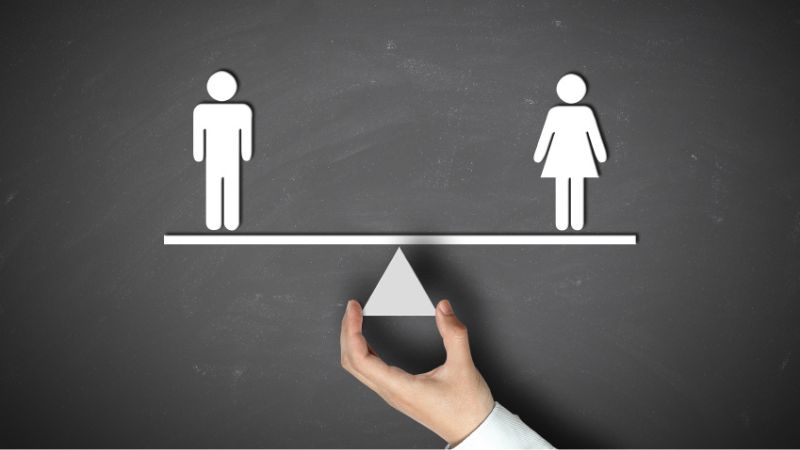
A gender discrimination paragraph helps explain one of the most persistent social problems affecting people across the world. Gender discrimination occurs when individuals are treated unfairly or denied equal opportunities simply because they are male or female. Its effects can be seen in education, employment, family responsibilities, and everyday social interactions. Even today, girls may face restrictions on their education and freedom, while women often experience unequal pay and workplace bias. Men can also face pressure to follow traditional gender roles. Such practices limit individual potential and slow social progress. Everyone deserves equal rights, respect, and opportunities, regardless of gender. Understanding this issue is an important step towards building a fairer society.
সূচিপত্রঃ
Gender Discrimination Paragraph 100 Words
Gender discrimination means treating people unfairly because of their gender. It prevents individuals from enjoying equal rights, respect, and opportunities. In some families, girls receive fewer educational opportunities, while boys enjoy greater freedom. Women may also face unequal salaries and limited career choices. Men can experience pressure to follow traditional social expectations. Such behaviour creates inequality and affects personal development. Education and awareness are essential to changing these attitudes. Parents should encourage children equally, and schools should teach respect for everyone. Every individual deserves a fair chance to succeed. Society progresses when abilities matter more than gender.
Gender Discrimination Paragraph 150 Words
Gender discrimination refers to the unfair treatment of individuals based on their gender. It remains a major social concern because it limits people’s freedom, opportunities, and ability to achieve their ambitions. In many households, boys receive greater independence, while girls face restrictions on education, clothing, and career choices. Women may experience unequal pay, workplace harassment, and fewer opportunities for leadership. Men can also face pressure to behave according to traditional ideas of masculinity.
This problem affects more than individual lives. It weakens social relationships, increases economic inequality, and prevents communities from using everyone’s talents. Education is an important way to challenge these beliefs. Parents should raise children without gender-based restrictions, and schools should promote equal treatment. Employers must offer fair recruitment, salaries, and promotions. Government institutions should enforce laws that protect individual rights. Everyone deserves the freedom to study, work, express opinions, and make personal decisions without discrimination.
Gender Discrimination Paragraph 200 Words
Gender discrimination occurs when someone receives unfair treatment because of their gender. It is a serious social issue that affects people’s opportunities in education, employment, family life, and public spaces. Although awareness of equality has increased, traditional beliefs and harmful stereotypes continue to influence how individuals are treated.
In some families, boys receive more freedom and financial support, while girls are expected to prioritise household responsibilities. Women may face unequal salaries, limited promotions, and discrimination during recruitment. Men can also experience social pressure when they choose professions or responsibilities that do not match traditional expectations. These attitudes prevent people from making independent choices.
The consequences extend beyond personal experiences. Gender discrimination can reduce confidence, restrict financial independence, and waste valuable talent. When people cannot access equal opportunities, society loses the benefit of their skills and contributions.
Education, awareness, and fair policies can help address this problem. Parents should encourage children to pursue their interests regardless of gender. Schools must teach students about equal rights and mutual respect. Employers should ensure fair wages, safe workplaces, and equal career opportunities. Governments must also implement laws against discrimination.
Gender should never determine someone’s future. Everyone deserves the freedom to learn, work, make decisions, and contribute to society. Equality becomes meaningful when these rights are respected in everyday life.

Gender Discrimination Paragraph 250 Words
Gender discrimination refers to the unfair treatment of individuals because of their gender. It is a serious social issue that affects people’s freedom, opportunities, and quality of life. Despite improvements in education and awareness, gender-based inequality continues to exist in many parts of the world. Traditional beliefs, social stereotypes, and unequal access to resources often contribute to this problem.
You can notice gender discrimination in families, educational institutions, workplaces, and public spaces. In some households, boys receive greater freedom and financial support, while girls are expected to take responsibility for domestic work. Women may experience unequal pay, workplace harassment, unfair recruitment practices, and fewer leadership opportunities. Men can also face social pressure when they express emotions or choose careers that society traditionally associates with women.
The effects of discrimination are not limited to individuals. It can damage confidence, restrict financial independence, affect mental well-being, and prevent talented people from reaching their full potential. When someone is denied an opportunity because of gender, society also loses their knowledge, skills, and contribution.
Education is one of the most effective ways to challenge these unfair practices. Parents should raise children with equal expectations and responsibilities. Schools must teach students to respect individual choices rather than follow stereotypes. Employers should provide fair salaries, safe working conditions, and equal opportunities for professional growth. Governments must strengthen the implementation of laws that protect people against discrimination.
Gender equality does not mean that everyone must make the same choices. It means everyone should have the freedom and resources to make their own decisions. A fair society recognises people for their abilities, efforts, and character, not their gender.
Conclusion
Understanding gender discrimination is essential, but taking action against it matters even more. Through this gender discrimination paragraph, we can recognise how unequal treatment affects people’s education, careers, confidence, and freedom. Small changes in our daily behaviour, such as sharing responsibilities, respecting personal choices, and challenging unfair stereotypes, can make a meaningful difference. Parents should raise children with equal expectations, schools should encourage fairness, and workplaces should value employees for their abilities. Most importantly, we must stop judging people by traditional gender roles. Real progress happens when equality becomes a part of everyday life rather than just a topic of discussion.
Frequently Asked Questions (FAQs)
Q1. Why is gender discrimination still common in society?
Gender discrimination continues because of traditional beliefs, unequal power structures, harmful stereotypes, and a lack of awareness. Many people still associate certain jobs, responsibilities, and behaviours with a particular gender, which leads to unfair treatment.
Q2. What is the difference between gender discrimination and gender inequality?
Gender discrimination refers to unfair treatment based on gender, while gender inequality refers to differences in rights, opportunities, resources, and social status between genders. Discrimination is one of the reasons gender inequality exists.
Q3. How does gender discrimination affect girls and women?
Gender discrimination can restrict girls’ education, limit women’s career choices, create unequal pay, and reduce their participation in decision-making. It can also affect financial independence, confidence, personal freedom, and overall well-being.
Q4. Can boys and men also face gender discrimination?
Yes. Boys and men can experience discrimination when society expects them to hide their emotions, become the sole financial providers, or avoid careers traditionally associated with women. Gender stereotypes can restrict everyone.
Q5. What is the best way to end gender discrimination?
The best way to address gender discrimination is to promote equal education, fair employment practices, financial independence, and respect for individual choices. Families, schools, workplaces, and governments must work together to challenge stereotypes and protect everyone’s rights.


