
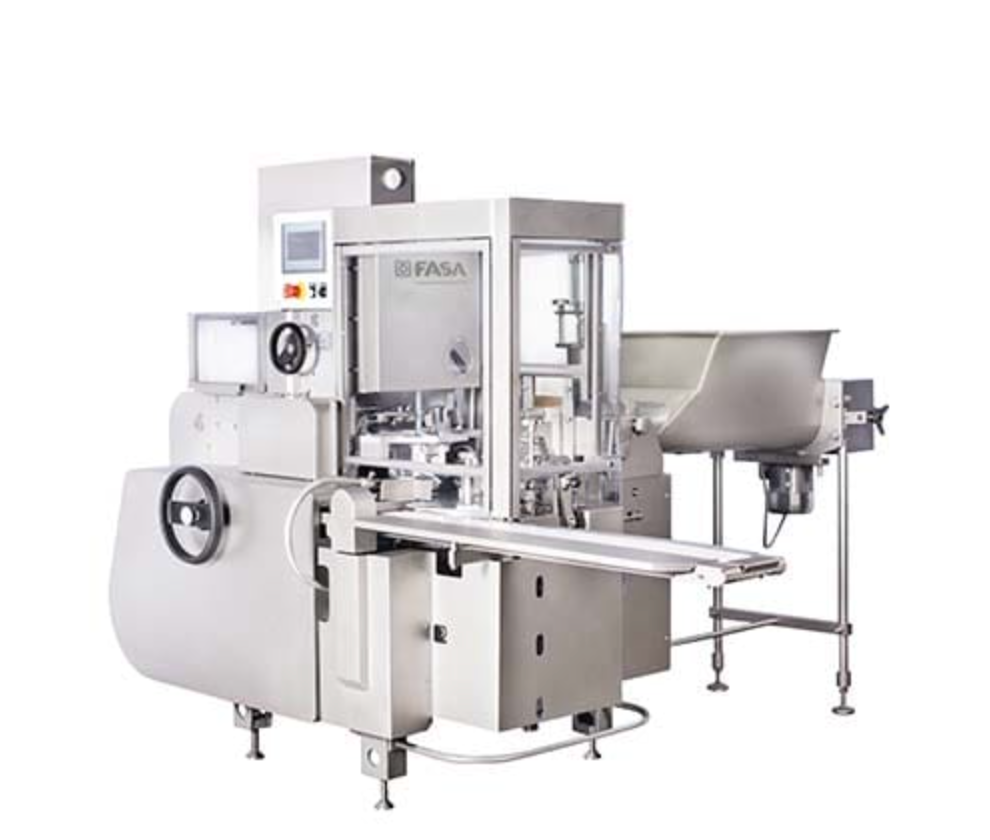
You want packaging that keeps butter fresh, costs less to run, and fits your production needs. FASA’s solutions show how primary wrapping, cup and tub filling, thermoforming portions, case packing, and bulk bag-in-box filling link together to make a smooth, efficient line. This article explains how those steps connect to your buffer silos, pumps, and downstream handling so you can spot bottlenecks and choose the right machine mix for your volumes.
Explore practical choices for brick wrap, tubs, portion packs, case packing, and bulk filling, with notes on hygiene, changeovers, and traceability you can apply in Marijampolė or any plant. You will see how FASA AB’s modular approach helps balance daily production, frozen storage, and rework options so your packaging matches logistics, quality, and customer needs.
সূচিপত্রঃ
Primary Butter Packaging Technologies
These machines shape, dose, and seal butter into retail and bulk formats. You will use different equipment depending on whether you need wrapped bricks, tubs, or small portions. Key choices affect pack weight accuracy, product temperature control, and line changeover speed.
Filling and Wrapping Machines for Butter Bricks
Filling and wrapping lines dose butter into fixed weights, form the brick shape, and apply foil or film wraps. You will typically place an ARM-type machine after the buffer silo and dosing pump. The ARM handles portion accuracy, brick forming, and precise wrap placement for retail packs.
Control of butter temperature and texture matters. If butter is too soft or too firm, portion accuracy and wrapper appearance suffer. You should set dose heads, forming plates, and wrapper tension to match your pack weight and material.
Plan for changeovers and inspection. Quick-change tooling, consistent wrapping material, and in-line weight checks reduce rejects. Include space for downstream case packing and labeling when you select your ARM configuration.
Cup and Tub Filling Solutions
Cup and tub fillers like the RFS 40 fill reclosable containers for premium or foodservice products. You will feed empty tubs, fill by volume or weight, then apply lids or seals. The RFS 40 supports several container sizes with modular format parts.
Focus on fill stability and lid integrity. Use positive-displacement pumps or piston fillers for viscous butter to keep fills consistent. Ensure lid placement, heat-seal parameters, and vacuum or gas-flush options meet your shelf-life and presentation needs.
Operator access for tubs, lids, and in-feed is crucial. Design the layout for fast material replenishment and tool-free changeovers if you run multiple SKUs. Add checkweighers and seal inspections to maintain pack quality.
Thermoforming and Portion Packaging
Thermoforming machines such as TFM form cavities in film, dose small butter portions, seal with lidding film, and cut into single or multi-packs. You will choose TFM when you need controlled single-serve portions for catering, airlines, or retail multipacks.
Precise product feeding and dose control are vital because portions are small. Match forming depth, fill nozzles, and seal temperature to your chosen film and portion size to avoid leaks or deformation. Maintain stable butter texture to reduce rejects.
Consider high-speed indexing, servo controls, and automatic stackers for output efficiency. Include date coding and tray grouping options for downstream case packing and retail-ready presentation.
Secondary and Bulk Packaging Systems
These systems turn individual butter units into transport-ready cartons or large bulk containers. They focus on reliable product transfer, correct grouping counts, and controlled filling for storage or rework.
Butter Case Packers and Grouping Equipment
You need a case packer that arranges wrapped bricks, tubs, or cups into cartons without damaging packs. The DSU butter case packer is built to accept primary packs from the wrap or tub line, form the layout pattern, and place items into pre-made cartons at set counts.
Design the line for steady inflow and short accumulation zones. Include sensors and reject gates to catch misfeeds and wrong counts. Specify carton dimensions, topologies, and material strength for cold-chain use. Easy access points for operators speed up changeovers and maintenance. Integrate case-level labeling and barcode checks if you require traceability.
ORG Bulk Butter Filling and Re-Packing
For large-volume handling, ORG bulk butter filling fills bag-in-box or large containers precisely by weight. You control fill targets, filling speed, and pump rates so each bulk pack meets storage or rework specs.
Set up the bulk station downstream of your buffer silo and use hygienic transfer pumps to avoid contamination. Plan space for container staging, pallet positioning, and cold storage. Add fill-weigh verification and seal inspections to reduce waste. If you run a butter re-packing line later, label bulk packs with batch and storage status for easier rework.
Integration with Downstream Handling
Your downstream handling must link packaging with palletizing, cold storage, and transport without bottlenecks. Conveyors, accumulation lanes, and pallet infeed need matching capacities to the case packer and ORG filler.
Map product transfer paths so bricks and tubs move smoothly from primary machines to DSU packers. Use buffer zones sized for expected stoppages. For bulk packs, provide forklift access and pallet conveyors to move heavy loads safely. Connect PLCs and traceability systems so pack counts, batch IDs, and pallet labels stay synchronized across the FASA packaging line.
Butter Production Line and Processing Solutions
This stage turns cream into stable butter blocks you can feed to packaging. It covers continuous butter making, texture control, and the handling steps that prepare blocks for cutting, homogenizing, and packing.
Continuous Butter Making and Homogenization
You run cream through a continuous butter-making line that combines churning, working, and temperature control to reach a consistent fat network and moisture distribution. Monitor cream flow rate, churn speed, and cooling setpoints so the butter exits the churn at the right firmness for dosing and forming.
Use a butter homogenizer or working unit after churning when you need a finer, uniform texture. The homogenizer reduces lumpiness and ensures consistent spreadability and melt profile across batches. Control shear and residence time to avoid overworking the fat structure.
Buffering between the churn and packaging is critical. Keep a buffer silo sized for your peak output and changeover time so packaging machines like ARM or RFS 40 receive steady feed without interruptions.
Butter Block Handling and Conditioning
After forming, blocks move to cooling and conditioning stations to reach target temperature and firmness for wrapping or tub filling. You should track cooling time, air temperature, and conveyor speed to prevent surface sweating or internal soft spots.
Use a butter block cutting machine for re-packing or portioning large blocks into consumer weights. Adjust blade speed and feed rate for clean edges and accurate weight. For blocks destined for tubs or thermoforming, include a homogenizer or kneader step to rework frozen or stored bulk butter and restore pumpability.
Plan material flow so pumps, transfer lines, and packaging infeed align. That reduces downtime, lowers giveaway, and keeps product quality steady from production to primary packaging.
Customer Service, Company Details, and Global Reach
FASA provides hands-on support, spare parts access, and global logistics to keep your packaging lines running. You can reach local offices and service teams fast, and you’ll find clear contact routes for technical help, parts, and upgrades.
After-Sales Service and Technical Support
You get direct after-sales service from the company’s technical team based in Marijampole. Call +370 343 70562 or +370 343 70469 for urgent machine faults, commissioning, or remote troubleshooting. Service visits follow scheduled response times and include on-site diagnostics, preventive maintenance, and operator training.
When you open a service case, the team logs it in their IMS (service management) system so you can track progress and parts orders. If you need paperwork, invoices can reference company banking with PKO Bank Polski where applicable. For contract customers, you can arrange annual service plans and spare-part stocking at Stoties Str. 8E or Stoties Str. 10 to reduce downtime.
Spare Parts and Upgrades
You can order genuine spare parts through the spare-parts desk or via the IMS portal to ensure correct fit and hygiene compliance. Common stocked items include dosing pistons, seals, conveyor belts, and control modules. Parts ship from regional warehouses to reduce lead times for European sites.
If you want capacity or control upgrades, the engineering team evaluates your line and quotes retrofit kits—examples include faster dosing units for ARM machines or automated case-feeders for DSU packers. You receive part numbers, ETA, and installation options. For larger projects, coordinate delivery and installation from the Marijampole office and confirm billing details tied to PKO Bank Polski accounts if needed.


